Business Waste Removal in Barbican: Comprehensive Solutions for a Sustainable Future
Understanding Business Waste in Barbican
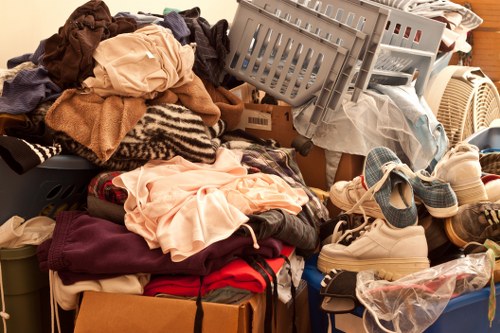
Businesses in Barbican generate a diverse range of waste materials daily, from paper and packaging to more complex industrial byproducts. Effective waste removal is not just a regulatory requirement but also a critical component of corporate responsibility and environmental stewardship.
The Barbican area, known for its bustling commercial activities, poses unique challenges for waste management. Limited space, high population density, and strict local regulations necessitate specialized waste removal strategies tailored to the needs of businesses operating in this locale.
Implementing an efficient waste removal system can lead to significant benefits, including cost savings, improved operational efficiency, and enhanced corporate image. By prioritizing proper waste management, businesses contribute to a cleaner, more sustainable Barbican.
Types of Business Waste

General Office Waste
Offices typically produce a substantial amount of general waste, including paper, packaging materials, food scraps, and single-use items. Proper segregation and disposal of these materials are essential to minimize environmental impact and comply with local waste regulations.
Industrial Waste
Industrial operations generate more complex and hazardous waste, such as chemicals, metals, and electronic components. Safe handling and disposal of these materials require specialized services to prevent environmental contamination and ensure worker safety.
Electronic Waste (E-Waste)
With the rapid advancement of technology, businesses frequently update their electronic equipment, leading to a growing volume of e-waste. Proper disposal and recycling of electronic devices are crucial to reclaim valuable materials and reduce landfill burden.
Benefits of Professional Waste Removal Services
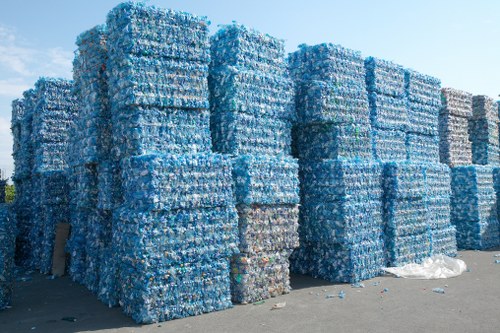
- Regulatory Compliance: Ensures adherence to local and national waste disposal laws, avoiding potential fines and legal issues.
- Operational Efficiency: Streamlines waste management processes, allowing businesses to focus on core activities.
- Environmental Sustainability: Promotes recycling and responsible disposal, reducing the overall environmental footprint.
Engaging with professional waste removal services in Barbican provides businesses with expertise and resources to manage waste effectively. These services offer tailored solutions that align with each company's specific needs and sustainability goals.
Choosing the Right Waste Removal Partner
Experience and Reputation
Selecting a waste removal service with a proven track record in Barbican ensures reliability and quality. Experienced providers are better equipped to handle the complexities of different waste types and can offer innovative solutions to common challenges.
Service Range and Flexibility
A comprehensive waste removal partner should offer a wide range of services, including waste collection, recycling, and disposal. Additionally, flexibility in scheduling and service plans allows businesses to manage waste removal without disrupting daily operations.
Cost-Effectiveness
While cost should not be the sole determining factor, it remains an important consideration. Businesses should seek services that offer transparent pricing and demonstrate value through efficient processes and quality service.
Implementing an Effective Waste Management Plan
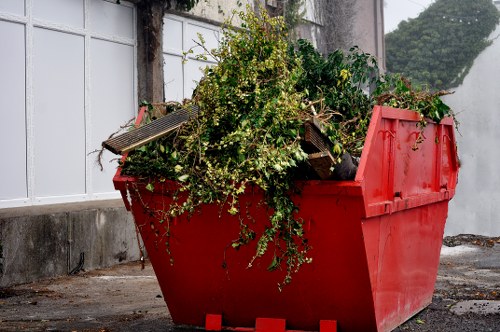
- Assess Current Waste Generation: Analyze the types and quantities of waste your business produces to identify areas for improvement.
- Set Clear Objectives: Define goals such as reducing waste volume, increasing recycling rates, or improving compliance.
- Develop Segregation Protocols: Implement systems to separate recyclable, non-recyclable, and hazardous waste at the source.
- Engage Employees: Train staff on proper waste management practices to ensure consistent adherence to protocols.
- Monitor and Review: Regularly evaluate the effectiveness of your waste management plan and make necessary adjustments.
An effective waste management plan not only enhances environmental responsibility but also contributes to operational efficiency and cost savings. By systematically addressing waste generation and disposal, businesses can achieve long-term sustainability goals.
Recycling and Sustainability Initiatives

Maximizing Recycling Efforts
Recycling is a cornerstone of sustainable waste management. By partnering with waste removal services that prioritize recycling, businesses can divert significant amounts of waste from landfills and recover valuable materials.
Integrating Sustainable Practices
Incorporating sustainable practices such as reducing single-use items, opting for eco-friendly packaging, and implementing energy-efficient processes can further enhance a business's environmental impact.
Corporate Social Responsibility (CSR)
Demonstrating a commitment to sustainability through effective waste management strengthens a company's CSR profile. This commitment can improve stakeholder relations and attract environmentally conscious customers.
Technological Advancements in Waste Management
Automation and Smart Solutions
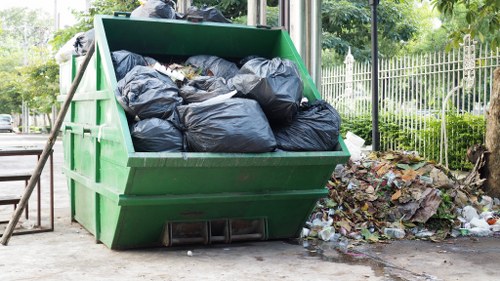
Advancements in technology have introduced automation and smart solutions into waste management, enhancing efficiency and accuracy. Automated sorting systems and real-time monitoring can optimize waste processing and reduce human error.
Data Analytics
Utilizing data analytics allows businesses to track waste generation patterns, identify trends, and make informed decisions to improve waste management strategies.
Innovative Recycling Techniques
Emerging recycling technologies enable the processing of previously non-recyclable materials, expanding the scope of sustainable waste management.
Cost Management and Budgeting
Optimizing Waste Management Costs
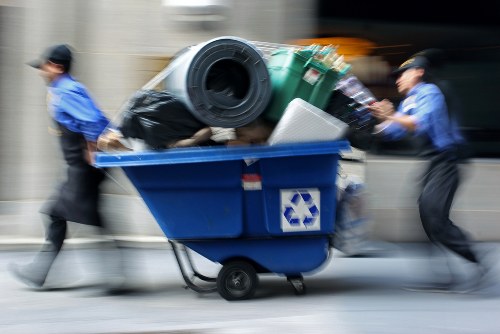
Effective waste removal can lead to significant cost savings by reducing landfill fees, minimizing waste generation, and optimizing recycling processes. Businesses should work with waste removal partners to identify cost-effective strategies tailored to their specific needs.
Budgeting for Waste Services
Allocating a dedicated budget for waste management ensures that businesses can maintain consistent and effective waste removal practices. Transparent pricing from service providers aids in accurate budgeting and cost control.
Return on Investment (ROI)
Investing in professional waste removal services yields a positive ROI through enhanced operational efficiency, reduced environmental impact, and improved corporate reputation.
Regulatory Compliance and Best Practices
Understanding Local Regulations
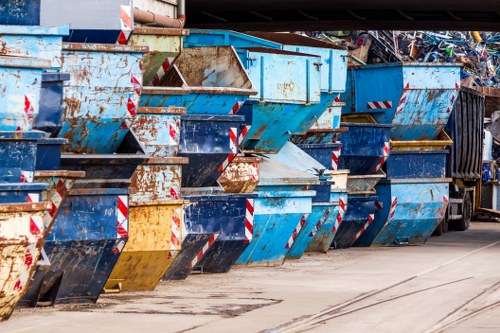
Barbican businesses must adhere to a variety of local waste disposal regulations. Staying informed about these laws is essential to avoid penalties and ensure responsible waste management.
Implementing Best Practices
Adopting industry best practices, such as proper waste segregation, regular audits, and continuous improvement initiatives, helps maintain compliance and enhances overall waste management effectiveness.
Documentation and Reporting
Maintaining accurate records of waste disposal activities is not only a regulatory requirement but also a best practice that facilitates accountability and transparency in waste management processes.
Case Studies: Successful Waste Removal in Barbican
Corporate Office Transformation
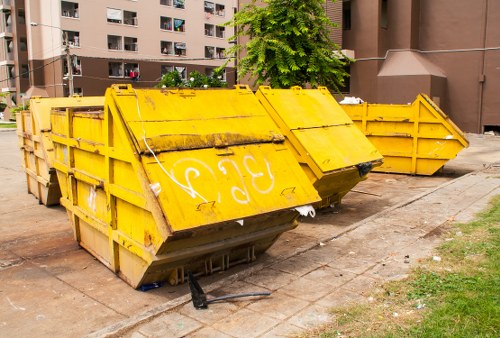
A leading corporate office in Barbican partnered with a professional waste removal service to overhaul their waste management system. Through effective segregation, increased recycling efforts, and employee training, the office reduced their waste output by 40% within a year.
Manufacturing Facility Improvement
A manufacturing facility facing challenges with hazardous waste removal implemented a comprehensive waste management plan in collaboration with specialized waste removal services. This initiative ensured safe disposal of hazardous materials and compliance with environmental regulations.
Retail Store Optimization
A large retail store in Barbican worked with waste removal experts to optimize their waste disposal processes. By introducing automated sorting systems and enhancing recycling protocols, the store achieved significant cost savings and reduced their environmental footprint.
Future Trends in Business Waste Removal
[IMG_11]Circular Economy Models
The circular economy model emphasizes the reuse and recycling of materials to create a closed-loop system. Businesses adopting this model focus on minimizing waste generation and maximizing resource efficiency.
Green Certifications
Obtaining green certifications for waste management practices can enhance a company's reputation and demonstrate a commitment to environmental sustainability.
Innovative Waste-to-Energy Solutions
Waste-to-energy technologies convert waste materials into usable energy, offering a sustainable solution to waste disposal while generating power for business operations.
Conclusion
[IMG_12]Effective business waste removal in Barbican is integral to maintaining a clean, sustainable, and compliant business environment. By partnering with experienced waste removal services, implementing strategic waste management plans, and embracing sustainability initiatives, businesses can achieve significant operational and environmental benefits.
Investing in professional waste removal solutions not only ensures regulatory compliance but also fosters a culture of responsibility and efficiency within the organization.
Contact us today to discover how our tailored waste removal services can support your business in achieving its sustainability and operational goals.